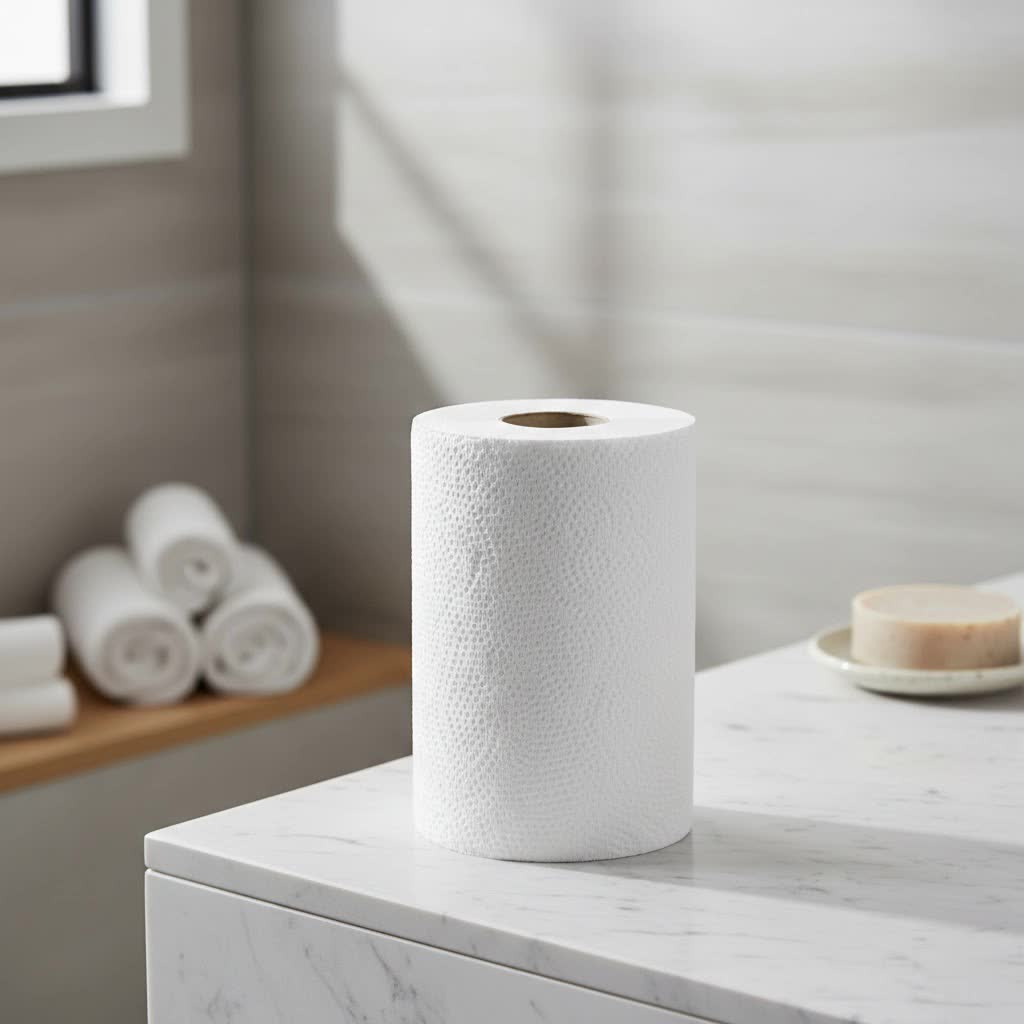
From unexpected spills to daily cleanups, kitchen paper towels are an indispensable tool in every home. They offer a quick and hygienic solution for countless tasks, making our lives undeniably easier. But with so many options on the market, how do you choose the right paper towel that truly meets your needs and offers the best value? This comprehensive guide will explore the world of kitchen paper towels, helping you understand different types, key features, and how to make an informed choice for a cleaner, more efficient kitchen.
Why Kitchen Paper Towels Are Essential for Daily Life
It’s hard to imagine a kitchen without paper towels. They are the unsung heroes, always ready to tackle messes, dry hands, and keep surfaces sparkling clean. Their importance extends beyond simple convenience; they play a crucial role in maintaining hygiene and efficiency in our busy lives. Whether you’re wiping down countertops after cooking, soaking up a spilled drink, or even draining excess oil from fried foods, the absorbent and disposable nature of paper towels makes them uniquely suited for a wide array of kitchen tasks.
Historically, the evolution of paper towels has transformed kitchen routines. From their origins as disposable hygienic products, they have become a multi-purpose cleaning staple. Today, various types cater to specific needs, from heavy-duty scrubbing to delicate drying, proving their versatility and enduring relevance in modern households.
Popular Types of Kitchen Paper Towels on the Market
The vast array of kitchen paper towels available can be overwhelming. Understanding the distinct characteristics of each type will help you select the most suitable option for your home.
Roll Paper Towels
These are the most common form, familiar in almost every kitchen.
- Advantages: Generally more economical, widely available, and straightforward to use with standard holders. Many brands offer options like “select-a-size” sheets, allowing you to tear off smaller portions for minor spills, which can help reduce waste and extend the life of a roll.
- Disadvantages: Can be prone to overuse if not mindful, and a full roll can sometimes feel bulky. The quality can vary significantly between brands, with some leaving lint or tearing easily when wet.
- Notable Brands: Bounty and Viva are consistently ranked among the top performers for absorbency and durability.
|
Our Picks for the Best Paper Towel in 2026
We may earn a commission when you use one of our links to make a purchase.
|
||
| Num | Product | Action |
|---|---|---|
| 1 | Bounty Select-A-Size Paper Towels, White, 2 Triple Rolls = 6 Regular Rolls |

|
| 2 | Bounty Quick-Size Paper Towels, White, 8 Family Triple Rolls = 27 Regular Rolls |
|
| 3 | Amazon Basics FSC-Certified 2-Ply Flex-Sheets Paper Towels, 150 Sheets per Roll, 12 Basics Rolls = 32 Regular Rolls |
|
| 4 | Swedish Dishcloths for Kitchen 6 Pack, Reusable Paper Towels Super Absorbent, Biodegradable Quick Drying Washable Dish Cloths Dishwasher Safe, Perfect as Hostess or Housewarming Gifts (Fruit) |
|
| 5 | Microfiber Cleaning Cloths Roll 50-Pack Reusable Paper Towels for Car Wash Supplies Ultra Absorbent Kitchen Dish Rags House Window Cleaning Cloths Lint Free Tear away (Emerald-Green checkered pattern) |
|
| 6 | Amazon Basics FSC-Certified 2-Ply Flex-Sheets Paper Towels, 150 Sheets per Roll, 2 Basics Rolls = 6 Regular Rolls |
|
| 7 | Scott Paper Towels, Choose-A-Sheet, 30 Double Rolls = 60 Regular Rolls (108 Sheets Per Roll) |
|
| 8 | Amazon Basics 2-Ply Flex-Sheets Paper Towels, 6 Basics Rolls = 20 Regular Rolls, Everyday Value with 150 Sheets per Roll, Packaging May Vary |
|
| 9 | Tork Multifold Hand Towel, Natural, 100% recycled, FSC certified, Compatible with H2 Dispensers, 16 packs x 250 sheets (MK520A) |
|
| 10 | Scott Paper Towels, Choose-A-Sheet, 6 Double Rolls = 12 Regular Rolls (108 Sheets Per Roll) |
|
Pull-Out Paper Towels (Interfolded)
Often found in commercial settings, but also available for home use, these towels are dispensed one sheet at a time.
- Advantages: Promote hygiene by reducing contact with multiple sheets, and encourage less waste as only one towel is typically pulled at a time. They are often designed to be strong, even when wet.
- Disadvantages: Requires a specific dispenser, which might not fit every kitchen aesthetic. They can also be pricier per sheet compared to standard rolls.
- Considerations: While less common in home kitchens, they are excellent for high-traffic areas or for those prioritizing touchless dispensing.
Wet Wipes for the Kitchen
These pre-moistened wipes are saturated with cleaning solutions, often with disinfectant properties.
- Advantages: Offer a quick and convenient way to clean and sanitize surfaces, especially effective for greasy messes and killing bacteria. They are perfect for a fast-paced lifestyle, eliminating the need for separate sprays and cloths.
- Disadvantages: Environmental concerns due to their disposable nature and potential for chemical residues. Some formulations can also be harsh on skin, causing irritation. They are generally more expensive than dry paper towels.
- When to use: Ideal for quick cleanups of sticky spills, sanitizing countertops after preparing raw meat, or for a fast refresh of kitchen surfaces.
Special Purpose Paper Towels
Beyond the standard offerings, there are specialized paper towels designed with specific considerations.
- Recycled Paper Towels: Made from post-consumer waste, these are an environmentally conscious choice. While they contribute to reducing deforestation and landfill waste, they may sometimes offer slightly less absorbency or softness compared to virgin fiber alternatives. It’s also important to note that recycled paper towels have been found to harbor more bacteria than those made from virgin pulp, which might be a concern for food-contact surfaces.
- Bamboo Paper Towels (Reusable): An innovative and eco-friendly option, these are often washable and reusable for dozens of cycles. Made from sustainable bamboo fibers, they are typically stronger, more durable, and highly absorbent, offering a more sustainable alternative to traditional disposable options. However, they require washing after use, which might not suit everyone’s routine.
- Lint-Free Paper Towels: Designed for streak-free cleaning on surfaces like glass, stainless steel, or delicate electronics. These are excellent for polishing but can be more expensive and less readily available.
Comparison of Kitchen Paper Towels
Here’s a quick overview to help you weigh your options:
| Feature | Roll Paper Towels | Pull-Out Paper Towels | Wet Wipes (Kitchen) | Reusable Bamboo Towels |
|---|---|---|---|---|
| Pros | Economical, widely available, versatile, select-a-size options. | Hygienic, reduced waste, strong when wet. | Disinfecting, active degreasing, convenient. | Eco-friendly, strong, durable, superior absorbency, reusable. |
| Cons | Can be wasteful, quality varies, may leave lint. | Requires dispenser, higher per-sheet cost. | Environmental impact, skin irritation, chemical residues, higher cost. | Requires washing, initial cost higher. |
| Typical Cost | Low to Medium | Medium to High | High | High (initial) |
| Best For | General spills, everyday wiping. | Controlled use, high hygiene needs. | Quick sanitizing, greasy messes. | Eco-conscious cleaning, heavy-duty tasks, long-term savings. |
How to Buy Kitchen Paper Towels: Key Factors to Consider
Choosing the ideal kitchen paper towel involves more than just grabbing the cheapest option. Here are the essential factors to evaluate:
- Paper Material: Paper towels are typically made from either virgin fibers (new wood pulp) or recycled materials. Virgin fiber towels generally offer superior strength and absorbency, while recycled options are more eco-friendly and often more cost-effective. Consider bamboo fiber towels as a strong, durable, and sustainable reusable alternative.
- Ply Count (Layers): This refers to the number of layers of paper that make up each sheet. Two-ply or multi-ply towels are generally thicker, softer, stronger, and significantly more absorbent than single-ply options, making them more effective for tough spills and scrubbing.
- Absorbency and Strength: These are critical characteristics for any kitchen paper towel. A highly absorbent towel can quickly soak up liquids, while a strong towel will resist tearing, even when wet, ensuring efficient cleanup without leaving behind paper fragments. You can often test for quality by checking for multi-ply options and doing a simple absorbency test with a few drops of water.
- Sheet Size and Quantity: Standard rolls are common, but “select-a-size” or “quick-size” options allow you to use smaller sheets for minor tasks, which can drastically reduce waste and save money. Consider the roll size and sheet count to ensure it fits your dispenser and meets your usage needs.
- Brand and Price: Well-known brands like Bounty and Viva are consistently rated for their performance, though they may come at a higher price point. Exploring private label brands or less prominent names can sometimes offer good value, but always compare performance against cost per square foot.
- Certifications and Standards: For peace of mind, especially when using paper towels near food, look for certifications. “Food-safe” or “FDA-approved” labels indicate suitability for food contact. For environmental responsibility, seek certifications from organizations like the Forest Stewardship Council (FSC), Sustainable Forestry Initiative (SFI), Programme for the Endorsement of Forest Certification (PEFC), Green Seal, or Nordic Swan Ecolabel. These ensure responsible sourcing, manufacturing, and reduced environmental impact. Avoid towels with added fragrances, dyes, or synthetic materials, particularly if they will come into contact with food.
Top Kitchen Paper Towels Popular Today
Based on performance, value, and user reviews, a few brands consistently stand out:
- Bounty Quick-Size Paper Towels: Often cited as a top performer, Bounty is known for its exceptional strength and absorbency, making it ideal for heavy-duty kitchen messes. The “Quick-Size” sheets are praised for reducing waste.
- Viva Signature Cloth Paper Towels: These towels offer a unique cloth-like texture, providing excellent durability even when wet. They are particularly favored for scrubbing and drying surfaces without falling apart.
- Brawny Tear-A-Square Paper Towels: Brawny offers strong performance with its innovative “Tear-A-Square” sheets, allowing for customizable sizing and efficient use, similar to Bounty’s quick-size options.
- Ecozoi Reusable Bamboo Paper Towels: For those seeking a sustainable and durable option, Ecozoi’s reusable bamboo towels are highly rated. Each sheet can be used multiple times, offering significant long-term savings and environmental benefits.
Tips for Using and Storing Kitchen Paper Towels Effectively
Maximizing the utility and longevity of your kitchen paper towels involves smart usage and proper storage.
- Use Economically: When using disposable paper towels, opt for “select-a-size” sheets to use only what you need for smaller spills or tasks. For less messy jobs, consider reusable cloths to minimize waste. Paper towels are particularly effective for absorbing grease or cleaning tasks where cross-contamination is a concern, such as wiping up raw meat juices.
- Proper Storage: Keep your paper towels in a dry, easily accessible location to prevent dampness, which can lead to mold or bacterial growth.
- Keep one roll handy: A countertop holder, an under-cabinet dispenser, or a wall-mounted rack ensures your current roll is always within reach.
- Store bulk rolls wisely: For extra rolls, consider using pantry shelves, large baskets, bins under the sink, or even tension rods in a cabinet for vertical stacking. This keeps them organized and out of the way.
- Disposal: Most disposable paper towels, whether clean or dirty, are not recyclable due to food contamination or short fibers. Always dispose of them in regular trash. For eco-conscious cleaning, reusable bamboo or cloth towels are a much better option.
Conclusion: Making a Smart Paper Towel Choice for a Convenient Kitchen
Choosing the right kitchen paper towel is a small decision that can have a big impact on your daily routine and environmental footprint. By understanding the different types, considering factors like absorbency, strength, material, and certifications, you can make an informed choice that best suits your household’s needs. Whether you prioritize cost-effectiveness, heavy-duty cleaning power, or environmental sustainability, there’s a perfect paper towel out there for you.
Ultimately, the goal is to create a clean, efficient, and comfortable kitchen environment. What essential qualities do you look for in your ideal kitchen paper towel, and how has your choice transformed your daily cleaning habits?