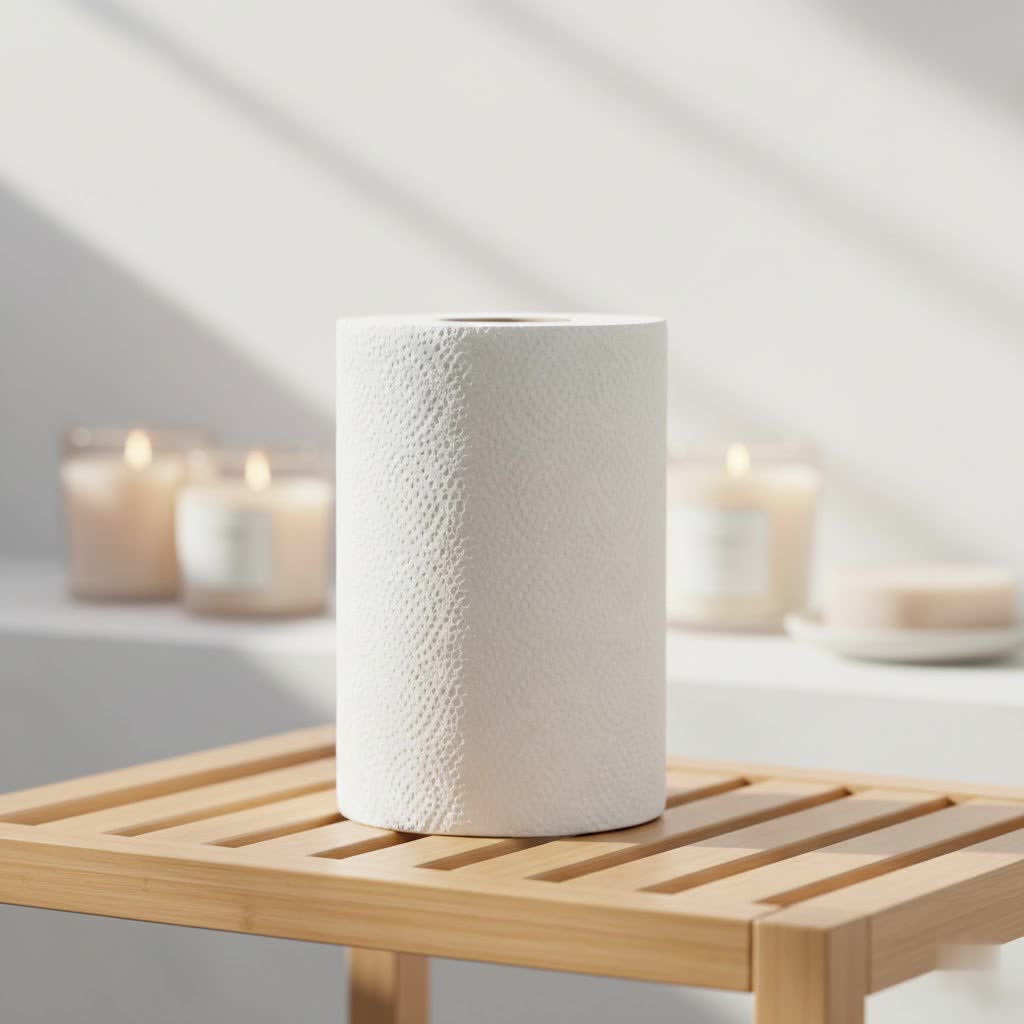
Choosing the perfect paper towel for your home involves understanding various types, benefits, and key factors to consider, ensuring an informed decision for a cleaner and more hygienic living space. With options ranging from economical standard rolls to eco-friendly bamboo towels, selecting the right product can significantly enhance daily clean-ups and reduce waste. This guide details the essential aspects of paper towels, from material and ply to certifications and effective usage tips.

Why Paper Towels Are Essential in Daily Life
Paper towels are indispensable for maintaining personal and household hygiene due to their versatility and convenience. They are used for drying hands, wiping surfaces, absorbing spills, and polishing glass in kitchens, bathrooms, and workplaces. Their disposable nature helps reduce the spread of germs, contributing to a healthier environment. For best paper towel roundups on this site.
The evolution of paper towels began in the early 20th century, transforming from simple absorbent paper into today’s sophisticated, multi-layered products. Initially seen as a hygienic alternative to cloth towels, especially in public areas, manufacturing advancements have led to stronger, more absorbent, and eco-friendlier options, expanding their applications beyond basic clean-up.
Popular Types of Paper Towels on the Market
The diverse range of paper towels available today caters to various needs, with each type offering distinct advantages. Understanding these variations is crucial for making an optimal choice.
-
Standard Roll Paper Towels: These are the most common type, typically found in large rolls with perforations for individual sheets.
- Pros: Generally the most economical, widely available, and suitable for general cleaning and spills. Many feature “choose-a-size” perforations, reducing waste for smaller messes.
- Cons: Can lead to over-usage if not mindful, and a full roll can be bulky to store.
- Popular Brands/Styles: Many leading household brands offer standard rolls with varying absorbency and strength.
-
Pull-Out Sheet Paper Towels (Multifold or Center-Pull): Designed for dispensers, these towels are often interfolded for single-sheet dispensing.
- Pros: Highly hygienic as users only touch the sheet they use, reducing cross-contamination. Convenient for quick, single-sheet access.
- Cons: Typically more expensive per sheet than standard rolls and require a compatible dispenser, adding to the initial cost.
- Usage: Commonly found in commercial settings, but also available for home use, particularly for those prioritizing hygiene and portion control.
-
Wet Wipes (Paper Towel Wipes): These are pre-moistened, disposable wipes, often infused with cleaning agents or sanitizers.
- Pros: Exceptionally convenient for quick clean-ups, sanitizing surfaces, or personal hygiene when water is unavailable. They offer deep cleaning and germ-killing properties.
- Cons: Can be less environmentally friendly due to single-use plastics and chemical content. Improper disposal can cause plumbing issues. Some formulations may irritate sensitive skin.
- When to Use: Ideal for travel, gym bags, quick kitchen counter wipes, or sanitizing high-touch areas.
-
Specialty Paper Towels: This category includes innovative options tailored for specific preferences or environmental concerns.
- Recycled Paper Towels: Made from post-consumer waste, these reduce landfill burden and conserve virgin forests. While sometimes less soft or absorbent, their ecological benefits are significant.
- Bamboo Paper Towels: A sustainable alternative, bamboo towels are known for their strength, absorbency, and rapid biodegradability. Bamboo is a fast-growing resource, making it an eco-conscious choice.
- Unscented/Hypoallergenic Paper Towels: Designed for individuals with sensitivities to fragrances or dyes, these options minimize the risk of allergic reactions.
Comparison Table of Popular Paper Towel Types
| Feature | Standard Roll Paper Towel | Pull-Out Sheet Paper Towel | Wet Wipe (Paper Towel Wipe) |
|---|---|---|---|
| Pros | Economical, versatile, widely available, “choose-a-size” options. | Hygienic (single-sheet dispensing), portion control, convenient. | Pre-moistened, sanitizing, excellent for quick clean-ups, portable. |
| Cons | Can be overused, bulky. | Higher cost, requires dispenser, less common for general home use. | Environmental concerns (plastic, chemicals), can dry out, potential skin irritation. |
| Typical Cost | Low | Medium | High |
| Primary Use | General cleaning, spills, drying hands. | High-traffic areas, hygiene-focused tasks. | Sanitizing, quick spot cleaning, on-the-go hygiene. |
Guide to Buying Paper Towels: Factors to Consider
Choosing the perfect paper towel involves evaluating several key factors that impact performance, cost, and environmental footprint.
- Paper Material (Softness & Absorbency): The material significantly dictates performance. Virgin wood pulp generally offers the highest softness and absorbency. Recycled paper towels, while sometimes coarser, are a greener choice. Look for towels that balance softness for comfort and strong absorbency for effective clean-up, ensuring they don’t disintegrate when wet.
- Number of Plies (Layers): This refers to the number of layers of paper bonded together.
- Single-ply towels are thinner and less absorbent, suitable for very light messes.
- Two-ply towels are the most common, offering a good balance of strength and absorbency for everyday spills.
- Three-ply or more provide superior absorbency and durability, ideal for tougher messes but often come at a higher price.
- Size and Quantity: Consider the size of individual sheets and the total number of sheets or rolls per pack. “Choose-a-size” options can help reduce waste by allowing smaller sheets for minor tasks. Evaluate your household’s usage frequency to determine if buying in bulk is cost-effective and practical for your storage space.
- Brand and Price: While brand loyalty plays a role, compare reputable brands based on performance claims and price. A slightly more expensive brand might offer superior absorbency, meaning fewer sheets are used, potentially saving money long-term. Focus on value, not just the lowest initial price.
- Certifications and Standards: For those conscious of environmental impact or chemical exposure, certifications are vital.
- FSC (Forest Stewardship Council) certification indicates wood pulp comes from responsibly managed forests.
- Ecologo or Green Seal certifications signify the product meets stringent environmental performance criteria.
- Hypoallergenic or dermatologically tested labels are important for individuals with sensitive skin.
“Choosing a paper towel isn’t just about how much it costs; it’s about finding the right balance of absorbency, durability, and environmental responsibility that fits your lifestyle,” advises Dr. Anya Sharma, a specialist in household product efficacy.
Top Paper Towel Picks for Every Need
While specific brands vary by region and availability, here are examples of high-performing paper towels categorized by their standout features:
-
The Ultra-Absorbent Champion: “AquaWipe Premium”
- Detailed Review: AquaWipe Premium paper towels are renowned for exceptional absorbency and wet strength. Featuring a unique quilt-like texture and extra-thick two-ply construction, they tackle large spills without tearing or leaving lint. They excel in kitchen clean-ups, from soaking up grease to drying dishes.
- Pros: Superior absorbency, high wet strength, durable, low lint.
- Cons: Can be pricier than economy options, not always made with recycled content.
- Price: Premium range.
-
The Eco-Conscious Choice: “GreenLeaf Bamboo Towels”
- Detailed Review: GreenLeaf Bamboo Towels offer an environmentally friendly alternative without compromising performance. Made from rapidly renewable bamboo fibers, these towels are surprisingly strong, reusable (to a certain extent), and highly absorbent. They are biodegradable and free from harsh chemicals.
- Pros: Sustainable, strong, absorbent, chemical-free, reduces deforestation.
- Cons: Texture can be slightly less soft than virgin pulp towels, initial cost might be higher.
- Price: Mid-to-high range.
-
The Everyday Value Pack: “SparkleClean Standard”
- Detailed Review: SparkleClean Standard provides reliable everyday performance at an affordable price. These two-ply towels offer good absorbency for routine spills and come in large, economical rolls. The “choose-a-size” feature helps manage usage and waste.
- Pros: Cost-effective, good for general purpose cleaning, widely available.
- Cons: May not handle very heavy-duty messes as effectively as premium brands, can sometimes leave a slight lint residue.
- Price: Budget-friendly.
“Many people underestimate the impact of choosing the right paper towel. A truly effective towel not only cleans better but also encourages more mindful usage, reducing overall waste,” observes John Peterson, a consumer goods analyst.
Tips for Effective Use and Storage of Paper Towels
Maximizing the utility and longevity of your paper towels involves smart usage and proper storage.
-
Economical and Hygienic Use:
- For small spills, opt for a “choose-a-size” sheet to avoid waste.
- Fold the paper towel to create multiple layers, increasing its absorbency and scrubbing power, allowing you to use fewer sheets.
- Use separate sheets for different tasks (e.g., one for kitchen counters, another for hands) to prevent cross-contamination.
- When cleaning mirrors or windows, crumple a dry paper towel after initial cleaning for a streak-free shine.
-
Proper Storage to Prevent Damage:
- Store paper towels in a cool, dry place away from direct sunlight and humidity. Moisture can reduce their absorbency and encourage mold growth.
- Keep them in their original packaging until ready to use to protect them from dust and dirt.
- Consider a paper towel holder for easy access and to keep the roll off potentially damp surfaces.
-
Responsible Disposal:
- Always dispose of used paper towels in a waste bin. Do not flush them down the toilet, as they do not break down like toilet paper and can cause severe plumbing issues.
- If using recycled or compostable paper towels, verify if your local composting facility accepts them, especially if they’ve been used with food waste.
Conclusion: Making a Smart Paper Towel Choice for a Convenient Life
Selecting the right paper towel is more than just grabbing the first pack you see; it’s about understanding your needs, weighing various factors, and making a choice that enhances your daily routine. From prioritizing ultra-absorbency for challenging kitchen spills to opting for eco-friendly bamboo for a greener lifestyle, an informed decision can lead to greater efficiency, better hygiene, and even cost savings. By considering material, ply, size, and certifications, you empower yourself to choose a product that truly performs. Embrace these insights to make a smart paper towel choice and simplify your daily clean-ups. What qualities do you value most in your ideal paper towel?
Frequently Asked Questions
Are paper towels flushable?
|
Our Picks for the Best Paper Towel in 2026
As an Amazon Associate I earn from qualifying purchases.
|
||
| Num | Product | Action |
|---|---|---|
| 1 | Amazon Basics FSC-Certified 2-Ply Flex-Sheets Paper Towels, 150 Sheets per Roll, 12 Basics Rolls = 32 Regular Rolls |

|
| 2 | Bounty Select-A-Size Paper Towels, White, 2 Triple Rolls = 6 Regular Rolls |
|
| 3 | Microfiber Cleaning Cloths Roll 50-Pack Reusable Paper Towels for Car Wash Supplies Ultra Absorbent Kitchen Dish Rags House Window Cleaning Cloths Lint Free Tear away (Emerald-Green checkered pattern) |
|
| 4 | Amazon Basics 2-Ply Flex-Sheets Paper Towels, 6 Basics Rolls = 20 Regular Rolls, Everyday Value with 150 Sheets per Roll, Packaging May Vary |
|
| 5 | Bounty Quick-Size Paper Towels, White, 8 Family Triple Rolls = 27 Regular Rolls |
|
| 6 | Scott Paper Towels, Choose-A-Sheet, 30 Double Rolls = 60 Regular Rolls (108 Sheets Per Roll) |
|
| 7 | Swedish Dishcloths for Kitchen 6 Pack, Reusable Paper Towels Super Absorbent, Biodegradable Quick Drying Washable Dish Cloths Dishwasher Safe, Perfect as Hostess or Housewarming Gifts (Fruit) |
|
| 8 | Scott Paper Towels, Choose-A-Sheet, 6 Double Rolls = 12 Regular Rolls (108 Sheets Per Roll) |
|
| 9 | Amazon Basics FSC-Certified 2-Ply Flex-Sheets Paper Towels, 150 Sheets per Roll, 2 Basics Rolls = 6 Regular Rolls |
|
| 10 | Tork Multifold Hand Towel, Natural, 100% recycled, FSC certified, Compatible with H2 Dispensers, 16 packs x 250 sheets (MK520A) |
|
No, paper towels are generally not flushable. Unlike toilet paper, they are designed to be strong and absorbent when wet, meaning they do not break down easily in water and can cause significant clogs in plumbing systems and septic tanks. Always dispose of them in a waste bin.
What’s the difference between single-ply and two-ply paper towels?
Single-ply paper towels have one layer of paper, making them thinner and less absorbent, suitable for very light tasks. Two-ply towels have two layers, providing greater strength, softness, and absorbency, making them more effective for everyday spills and general cleaning.
Can I compost used paper towels?
Some paper towels, particularly those made from unbleached or recycled paper and used for non-toxic spills (like water or food scraps), can be composted. However, check with your local composting facility, as rules vary, and towels used with cleaning chemicals or bodily fluids should not be composted.
Do paper towels expire?
While paper towels don’t “expire” in the traditional sense, their effectiveness can degrade over time if not stored properly. Exposure to moisture, direct sunlight, or extreme temperatures can reduce their absorbency and strength, making them less efficient for cleaning.
Are bamboo paper towels truly more eco-friendly?
Yes, bamboo paper towels are generally considered more eco-friendly. Bamboo is a rapidly renewable resource that grows quickly without extensive water or pesticides. They are often biodegradable and offer a sustainable alternative to traditional paper towels made from virgin wood pulp.
Get our weekly buyer guide
Practical specs, not advice. Unsubscribe anytime.

I’ve always just grabbed whatever paper towels were on sale, but after reading about the different ply options, I decided to try a 2-ply brand. What a difference! They’re so much more absorbent for kitchen spills and I actually use fewer sheets now. Definitely worth the slightly higher price for the quality.
I was hoping to find a really strong paper towel for heavy-duty cleaning, like scrubbing tough grease. While some of the brands mentioned are good for general spills, I still find they tear a bit too easily when wet for the really grimy jobs. I might need to stick with reusable cloths for those tasks.
I appreciate the breakdown of eco-friendly options. I’ve been trying to reduce my household waste, and the bamboo towels mentioned sound promising. I’m going to give them a try next time I need to restock. It’s good to know there are effective alternatives out there that don’t feel like a compromise.
The section on certifications was super helpful! I never knew about the different environmental labels to look for. It makes me feel better about my purchases knowing I can choose products that are responsibly sourced. My family goes through a lot of paper towels, so this information is really valuable.