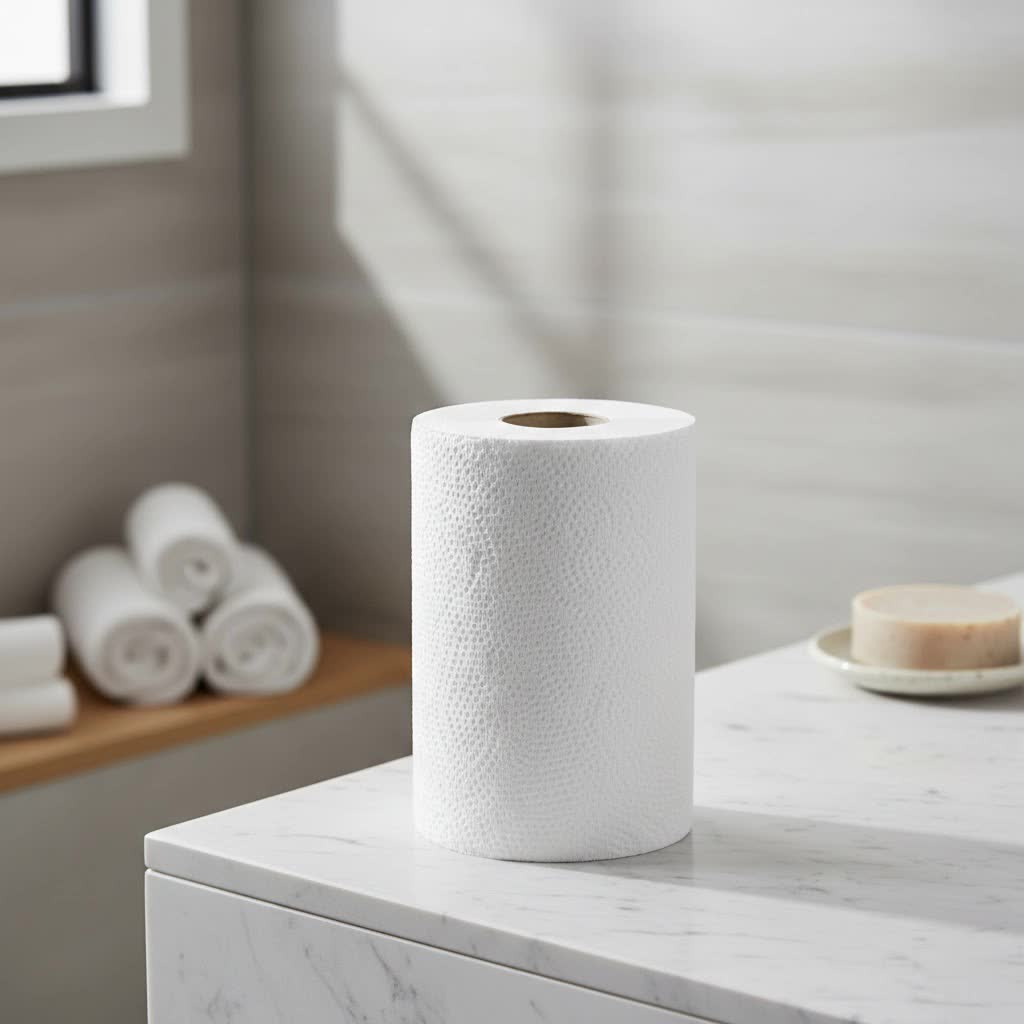
Selecting the right toilet paper is more than just a mundane chore; it’s about ensuring comfort, hygiene, and efficiency in one of life’s most essential daily routines. As an experienced technician with over a decade dedicated to understanding tissue products, I’ve seen countless variations, from basic single-ply to luxurious multi-layered rolls. This comprehensive guide will equip you with the knowledge to navigate the vast market of toilet paper, helping you find the perfect match for your needs and lifestyle. We’ll explore the critical differences, key features, and top recommendations, ensuring your bathroom experience is always optimal.
Why Toilet Paper is Essential in Daily Life
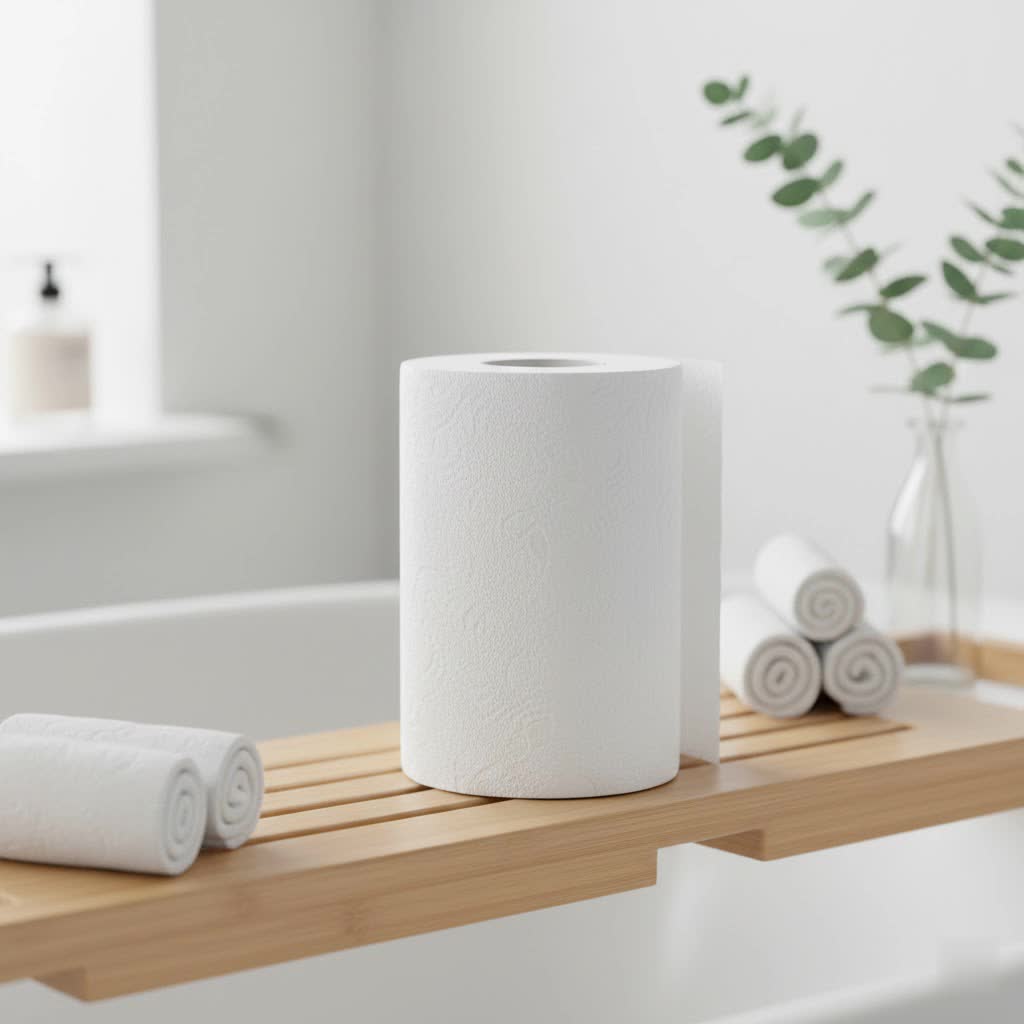
Toilet paper, often colloquially referred to as a “Toilet Paper Towel” in a broader sense, is an indispensable item for personal and household hygiene. Its primary role is for gentle personal cleansing, providing a soft and effective way to maintain cleanliness after using the restroom. Beyond this, toilet paper also serves various other purposes in a pinch, from quick clean-ups of minor spills to dabbing away makeup, showcasing its versatile utility in everyday life.
Historically, humans have used a multitude of materials for personal hygiene, from leaves and corn cobs to rags and sponges. The modern perforated roll of toilet paper, as we know it, only became widely available in the late 19th century, revolutionizing bathroom practices with its convenience and disposability. Today, the market offers an array of options, each designed to cater to different preferences for softness, strength, and environmental impact.
Common Types of Toilet Paper on the Market
The world of toilet paper offers more variety than you might imagine, each type designed with specific characteristics to meet diverse needs. Understanding these categories is the first step in making an informed choice.
Standard Roll Toilet Paper
This is the most widely recognized form, typically sold in rolls that fit standard dispensers.
- Pros: Generally cost-effective, readily available, and designed to break down easily in plumbing systems, preventing clogs.
- Cons: Can vary significantly in quality; cheaper options may be rough or tear easily, leading to using more sheets.
- Popular Brands: Charmin, Quilted Northern, Scott, Angel Soft. Charmin Ultra Strong, for instance, is praised for being soft yet strong, not tearing easily, and dissolving fast in water. [cite: 1.1]
|
Our Picks for the Best Paper Towel in 2026
We may earn a commission when you use one of our links to make a purchase.
|
||
| Num | Product | Action |
|---|---|---|
| 1 | Tork Multifold Hand Towel, Natural, 100% recycled, FSC certified, Compatible with H2 Dispensers, 16 packs x 250 sheets (MK520A) |

|
| 2 | Bounty Quick-Size Paper Towels, White, 8 Family Triple Rolls = 27 Regular Rolls |
|
| 3 | Microfiber Cleaning Cloths Roll 50-Pack Reusable Paper Towels for Car Wash Supplies Ultra Absorbent Kitchen Dish Rags House Window Cleaning Cloths Lint Free Tear away (Emerald-Green checkered pattern) |
|
| 4 | Bounty Select-A-Size Paper Towels, White, 2 Triple Rolls = 6 Regular Rolls |
|
| 5 | Amazon Basics 2-Ply Flex-Sheets Paper Towels, 6 Basics Rolls = 20 Regular Rolls, Everyday Value with 150 Sheets per Roll, Packaging May Vary |
|
| 6 | Scott Paper Towels, Choose-A-Sheet, 30 Double Rolls = 60 Regular Rolls (108 Sheets Per Roll) |
|
| 7 | Swedish Dishcloths for Kitchen 6 Pack, Reusable Paper Towels Super Absorbent, Biodegradable Quick Drying Washable Dish Cloths Dishwasher Safe, Perfect as Hostess or Housewarming Gifts (Fruit) |
|
| 8 | Amazon Basics FSC-Certified 2-Ply Flex-Sheets Paper Towels, 150 Sheets per Roll, 12 Basics Rolls = 32 Regular Rolls |
|
| 9 | Scott Paper Towels, Choose-A-Sheet, 6 Double Rolls = 12 Regular Rolls (108 Sheets Per Roll) |
|
| 10 | Amazon Basics FSC-Certified 2-Ply Flex-Sheets Paper Towels, 150 Sheets per Roll, 2 Basics Rolls = 6 Regular Rolls |
|
Interleaved or Folded Toilet Paper
Often found in commercial or public restrooms, this type is dispensed one sheet at a time from a specialized holder.
- Pros: Promotes hygiene by reducing contact with other sheets, can help control usage.
- Cons: Less common for home use, may feel less luxurious than rolled options, and sometimes difficult to pull without tearing.
Flushable Wet Wipes
While not traditional toilet paper, these wet wipes are often used in conjunction with dry toilet paper for an extra clean feel.
- Pros: Offer a more thorough and refreshing clean than dry paper alone, can be soothing for sensitive skin.
- Cons: Despite being marketed as “flushable,” many can contribute to plumbing issues and “fatbergs” in sewage systems if they don’t disintegrate quickly enough. It’s crucial to check for truly septic-safe labels.
- When to Use: Ideal for enhanced personal hygiene, especially for those seeking a fresher feel.
Specialty Toilet Papers
Beyond the standard, several types cater to specific preferences or ethical considerations.
- Recycled Toilet Paper: Made from post-consumer waste, reducing deforestation and landfill burden. It’s often cheaper than virgin pulp options and increasingly popular for its sustainability. [cite: 4.3]
- Bamboo Toilet Paper: An eco-friendly alternative, bamboo is a rapidly renewable resource requiring less water and no pesticides to grow. These products are often unbleached and free from harsh chemicals, making them a safer choice for both your home and the environment. [cite: 4.1, 4.4]
- Unscented and Hypoallergenic: Designed for individuals with sensitive skin or allergies, free from added dyes and fragrances.
Comparison of Toilet Paper Types
Understanding the core differences helps in making a choice tailored to your preferences.
| Feature | Standard Roll Toilet Paper | Flushable Wet Wipes | Bamboo/Recycled Toilet Paper |
|---|---|---|---|
| Pros | Cost-effective, widely available, dissolves well | Thorough cleaning, refreshing | Eco-friendly, sustainable |
| Cons | Quality varies, can be wasteful | Potential plumbing issues, higher cost | Can be less soft than virgin pulp, higher cost |
| Price Range | Low to Medium | Medium to High | Medium to High |
| Primary Use | Daily personal hygiene | Enhanced personal hygiene | Daily personal hygiene with environmental focus |
| Flushability | Excellent | Variable (check labels carefully) | Excellent |
Guide to Buying Toilet Paper: Factors to Consider
Choosing the right toilet paper involves balancing comfort, performance, and environmental impact. Here’s what to look for:
- Material Quality: Softness and Absorbency
The fibers used significantly impact feel and function. Toilet paper uses shorter, softer fibers for gentleness on the skin. [cite: 3.1] High-quality toilet paper offers superior softness and absorbency, ensuring an effective and comfortable clean with fewer sheets. Look for descriptions like “ultra-soft” or “plush.” - Ply (Number of Layers)
This refers to the number of layers in each sheet, directly affecting thickness, strength, and softness.- 1-Ply: Single-layered, thinner, and less soft. Often found in public restrooms for cost-effectiveness but may require more sheets. [cite: 4.5]
- 2-Ply: The most common choice, balancing softness and durability with two bonded layers, making it less likely to tear. [cite: 4.5]
- 3-Ply: The softest and thickest option, offering a luxurious feel and superior strength. [cite: 4.5]
“The choice between a 1-ply budget roll and a 3-ply premium option isn’t just about price; it’s about comfort, efficiency, and how much you value a confident clean without compromise.” – Admin of reviewscutet.com, Senior Tissue Product Technician
- Roll Size and Quantity
Consider mega, jumbo, or family-sized rolls if you prefer less frequent replacements. Sheet count per roll can vary greatly, so comparing cost per sheet might be more economical than cost per roll. - Brand Reputation and Price
Reputable brands often guarantee a certain level of quality and consistency. While budget-friendly options exist, investing in a slightly higher-priced, quality brand can often mean using less product and avoiding discomfort. - Certifications and Standards
Look for certifications like FSC (Forest Stewardship Council) for responsibly sourced materials or OEKO-TEX for absence of harmful substances. Dermatologically tested labels ensure safety for sensitive skin.
Top-Rated Toilet Papers Currently Preferred
Based on extensive testing and consumer feedback, certain toilet papers consistently rise to the top for their performance and value.
- Charmin Ultra Strong/Soft: Consistently rated highly, Charmin offers both strength and softness. The Ultra Strong variant is noted for its durability and resistance to tearing, while the Ultra Soft provides a cushiony feel. Both are designed to dissolve well, minimizing plumbing concerns. Many users appreciate the mega rolls for their longevity. [cite: 1.1]
- Quilted Northern Ultra Plush: Known for its luxurious softness, Quilted Northern Ultra Plush provides a gentle experience. Its quilted texture adds to its absorbency and comfort, making it a favorite for those prioritizing a premium feel. [cite: 1.1]
- Who Gives A Crap (Bamboo/Recycled): For the environmentally conscious, brands like Who Gives A Crap offer high-quality toilet paper made from 100% recycled paper or bamboo. These products prove that you don’t have to sacrifice comfort for sustainability. They are strong, soft, and designed to break down effectively while supporting eco-friendly practices. [cite: 1.1]
Tips for Effective Toilet Paper Use and Storage
Maximizing your toilet paper experience involves more than just selecting the right brand.
- Economical and Hygienic Use: Use only what you need. Over-wiping or using excessive amounts can lead to waste and potential plumbing issues. The goal is a clean, comfortable feeling, not to empty the roll. For enhanced hygiene without overusing paper, consider pairing dry toilet paper with a bidet or truly flushable wet wipes (used sparingly and with caution regarding plumbing).
- Proper Storage: Store toilet paper in a dry, cool place away from humidity to prevent moisture absorption, which can lead to mold, mildew, or a compromised texture. Keeping it in its original packaging or an airtight container is ideal, especially in bathrooms with high humidity.
- Correct Disposal: Always dispose of used toilet paper by flushing it down the toilet. Crucially, never flush kitchen paper towels or other paper products not specifically designed for toilet systems. Kitchen paper towels are thicker and made with longer fibers to maintain integrity when wet, meaning they do not break down in water like toilet paper, and can easily cause expensive plumbing clogs. [cite: 3.2, 3.5]
Conclusion: Smart Toilet Paper Choices for a Convenient Life
Choosing the right toilet paper is a small decision that significantly impacts daily comfort and hygiene. By considering factors like material, ply, and environmental impact, you can make an informed decision that aligns with your priorities. From the soft luxury of multi-ply options to the sustainable benefits of bamboo and recycled rolls, there’s a perfect toilet paper out there for everyone. Remember to prioritize flushability to protect your plumbing and always store your chosen product properly to maintain its quality.
What’s your go-to toilet paper, and what makes it the perfect choice for your home?
Frequently Asked Questions
Can you use paper towels as toilet paper?
No, it is strongly advised against using regular paper towels as a substitute for toilet paper. Paper towels are designed with longer, stronger fibers that do not break down in water like toilet paper. Flushing them can lead to severe and costly plumbing clogs. Furthermore, paper towels are rougher and can cause skin irritation. [cite: 3.2, 3.5]
What is the difference between 1-ply, 2-ply, and 3-ply toilet paper?
The “ply” refers to the number of layers in each sheet. 1-ply is a single, thinner layer, often more economical but less soft. 2-ply has two layers, offering a balance of softness, strength, and absorbency, making it the most popular choice. 3-ply is the thickest and softest, providing a premium, luxurious feel and superior durability. [cite: 4.5]
Are flushable wipes truly flushable?
While many wet wipes are marketed as “flushable,” their ability to break down quickly in plumbing systems is a subject of debate and concern. Unlike toilet paper, which disintegrates rapidly, many “flushable” wipes retain their structure longer, contributing to clogs in household pipes and municipal sewage systems. Always look for strong certifications for septic and sewer safe claims, and if in doubt, dispose of them in the trash.
Why should I consider eco-friendly toilet paper?
Eco-friendly toilet paper, made from materials like recycled paper or bamboo, offers a sustainable alternative to traditional virgin wood pulp. Choosing these options helps reduce deforestation, conserves water, and minimizes chemical use in production, lessening your environmental footprint without sacrificing cleanliness or comfort.