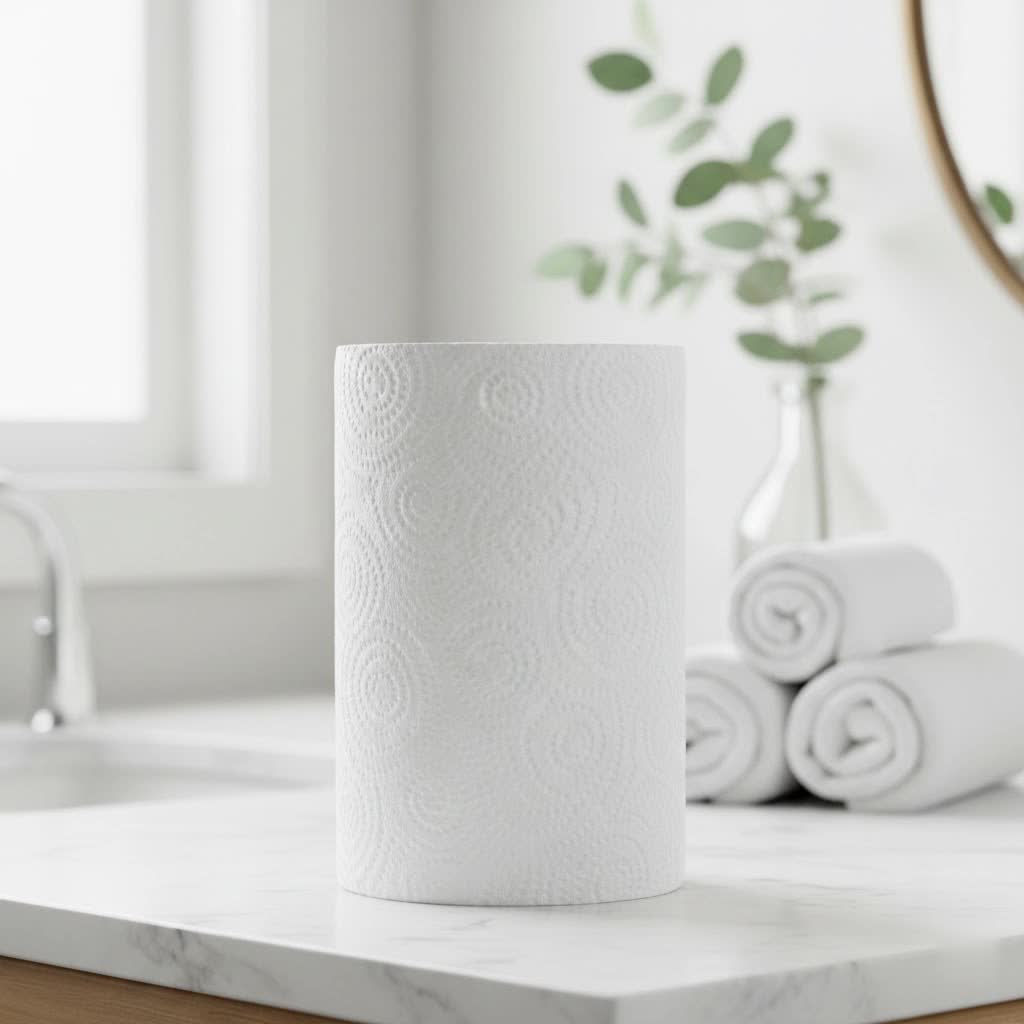
From kitchen mishaps to unexpected spills, paper towels are the unsung heroes of daily life. While seemingly a utilitarian product, the world of paper towel commercials has captivated audiences for decades, transforming simple absorbent sheets into household staples through memorable slogans, iconic characters, and clever demonstrations. These ads do more than just sell a product; they tap into our universal need for cleanliness, efficiency, and a quick solution to life’s little messes. This exploration delves into the fascinating evolution, strategic psychology, and lasting impact of paper towel advertising, revealing how these commercials have become an indelible part of our cultural fabric.
The Unsung Heroes of Everyday Messes: Why Commercials Matter
Paper towels hold a crucial place in modern households, serving as versatile tools for everything from cleaning up spills to wiping surfaces and even handling personal hygiene in a pinch. Commercials play a pivotal role in elevating this everyday item beyond its basic function. They transform a roll of paper into a symbol of preparedness, problem-solving, and ultimate cleanliness. The fundamental challenge for advertisers is to effectively demonstrate the superior performance of their product in a crowded market. Through engaging storytelling and visual prowess, paper towel commercials effectively highlight attributes like absorbency, strength, and durability, ensuring consumers reach for their brand when spills strike.
A Walk Through Advertising History: Early Paper Towel Ads
The commercial journey of paper towels gained significant momentum with the introduction of major brands. Procter & Gamble’s Bounty, launched in 1965 as a successor to Charmin Towels, revolutionized the market. Early marketing for Bounty strategically focused on absorbency as the primary consumer preference, a distinct approach from competitors who often emphasized strength or softness alone. These nascent commercials were often straightforward, presenting common household spills and showcasing the paper towel’s ability to quickly and thoroughly clean them up. This direct, problem-solution approach established a clear value proposition for consumers, laying the groundwork for the more elaborate campaigns that would follow.
Iconic Campaigns and Unforgettable Slogans
The history of paper towel advertising is rich with campaigns that have achieved legendary status, embedding themselves into the public consciousness.
-
Bounty: “The Quicker Picker-Upper”
No phrase is more synonymous with paper towels than Bounty’s “The Quicker Picker-Upper.” This slogan brilliantly encapsulates the brand’s promise of rapid and effective spill absorption. A significant factor in Bounty’s enduring success was the beloved character of Rosie the Waitress. Portrayed by actress Nancy Walker from the 1970s through the 1990s, Rosie was a no-nonsense diner waitress who consistently demonstrated Bounty’s superior performance in dozens of commercials. Her humor, relatability, and unwavering confidence in Bounty made her an iconic advertising figure, forging a strong emotional connection between the brand and its audience. -
Brawny: The Strength Narrative
In contrast to Bounty’s emphasis on speed and absorbency, Brawny paper towels built their brand around the concept of strength and toughness. Slogans such as “It might be too strong” subtly highlighted the product’s durability. The “Brawny Man” archetype, a rugged lumberjack figure, further reinforced this image, suggesting the product could handle the most demanding messes. More recently, Brawny has expanded its definition of “toughness” through campaigns that feature real-life stories and collaborations, such as partnerships with organizations like the Wounded Warrior Project, adding depth and contemporary relevance to its core message. -
Viva and Scott: Diverse Appeals
Other prominent brands like Viva and Scott have carved out their niches with distinct advertising strategies. Viva often highlighted its unique cloth-like texture, and some commercials even subtly challenged competitors’ quilted designs, suggesting an alternative for different cleaning needs. Scott paper towels adopted a more pragmatic approach with their slogan “Common sense on a roll,” appealing to consumers seeking straightforward, reliable functionality. The competitive landscape often led to “comparative advertising,” where brands showcased their product’s performance against rivals, sometimes sparking debates and regulatory scrutiny over advertising claims.
The Psychology Behind the “Clean” Message
|
Our Picks for the Best Paper Towel in 2026
As an Amazon Associate I earn from qualifying purchases.
|
||
| Num | Product | Action |
|---|---|---|
| 1 | Swedish Dishcloths for Kitchen 6 Pack, Reusable Paper Towels Super Absorbent, Biodegradable Quick Drying Washable Dish Cloths Dishwasher Safe, Perfect as Hostess or Housewarming Gifts (Fruit) |

|
| 2 | Amazon Basics 2-Ply Flex-Sheets Paper Towels, 6 Basics Rolls = 20 Regular Rolls, Everyday Value with 150 Sheets per Roll, Packaging May Vary |
|
| 3 | Amazon Basics FSC-Certified 2-Ply Flex-Sheets Paper Towels, 150 Sheets per Roll, 12 Basics Rolls = 32 Regular Rolls |
|
| 4 | Tork Multifold Hand Towel, Natural, 100% recycled, FSC certified, Compatible with H2 Dispensers, 16 packs x 250 sheets (MK520A) |
|
| 5 | Bounty Quick-Size Paper Towels, White, 8 Family Triple Rolls = 27 Regular Rolls |
|
| 6 | Scott Paper Towels, Choose-A-Sheet, 6 Double Rolls = 12 Regular Rolls (108 Sheets Per Roll) |
|
| 7 | Microfiber Cleaning Cloths Roll 50-Pack Reusable Paper Towels for Car Wash Supplies Ultra Absorbent Kitchen Dish Rags House Window Cleaning Cloths Lint Free Tear away (Emerald-Green checkered pattern) |
|
| 8 | Scott Paper Towels, Choose-A-Sheet, 30 Double Rolls = 60 Regular Rolls (108 Sheets Per Roll) |
|
| 9 | Amazon Basics FSC-Certified 2-Ply Flex-Sheets Paper Towels, 150 Sheets per Roll, 2 Basics Rolls = 6 Regular Rolls |
|
| 10 | Bounty Select-A-Size Paper Towels, White, 2 Triple Rolls = 6 Regular Rolls |
|
Paper towel commercials excel at psychological persuasion, often employing a problem-solution framework that resonates deeply with consumers. They present common, often frustrating, household dilemmas—a spilled drink, a sticky mess—and immediately offer the paper towel as the swift, stress-reducing solution. Advertisers carefully craft sensory appeals, using vivid visuals and sound effects to highlight the product’s softness, impressive absorbency, and robust strength.
Relatability is another powerful tool; commercials frequently feature everyday scenarios and characters that mirror the experiences of their target audience, whether it’s a parent cleaning up after a child or someone tackling kitchen chores. This connection fosters trust and reliability, convincing viewers that the product can genuinely deliver on its promises in their own homes. By consistently showcasing efficiency and ease, these ads build confidence and reinforce the idea that their paper towel is the dependable partner for maintaining a clean and orderly environment.
Modern Trends: Sustainability, Digital, and Beyond
The advertising landscape for paper towels is continually evolving, adapting to new consumer values and technological advancements. One of the most significant modern trends is the emphasis on eco-consciousness. Brands are increasingly highlighting their commitment to sustainability by promoting products made from recycled materials, sustainably sourced fibers, or those with biodegradable and less wasteful packaging. This shift appeals to a growing segment of environmentally aware consumers.
Digital dominance has also reshaped advertising strategies. While traditional television spots still exist, there’s a marked pivot towards online video platforms, engaging social media campaigns, and interactive digital experiences. Brands now utilize augmented reality (AR) and virtual reality (VR) to offer immersive product demonstrations, capturing attention in innovative ways. Furthermore, personalization and engagement are key, with advertisers tailoring messages based on data analytics and encouraging user-generated content, transforming passive viewers into active brand advocates. The drive for cost efficiency has also led to new approaches, including remote production for commercials and data-driven advertising that optimizes spending for maximum impact.
The Lasting Impact on Consumer Choices
Effective and consistent advertising has a profound and lasting impact on consumer behavior. Paper towel commercials, with their pervasive presence and clear messaging, have been instrumental in building strong brand recognition and fostering deep brand loyalty. The repeated visual demonstrations of superior absorbency or undeniable strength ingrained in the consumer’s mind, directly influencing purchasing decisions at the store shelf. These ads shape consumer perceptions of quality, value, and trustworthiness, often making a particular brand the default choice for millions. In a highly competitive market, the ongoing innovation in advertising strategies is crucial for brands to not only attract new customers but also to reinforce the loyalty of existing ones, ensuring their product remains a household essential.
Conclusion: A Smart Choice for a Spotless Life
Paper towel commercials, from their humble beginnings of simple demonstrations to today’s sophisticated digital campaigns, continue to play a vital role in our daily lives. They remind us that even the most ordinary products can be elevated through clever storytelling and strategic messaging. These advertisements have shaped our expectations, influenced our purchasing habits, and solidified the paper towel’s place as an indispensable household item. As consumer preferences and media consumption evolve, paper towel advertising will undoubtedly continue to innovate, finding new ways to connect with us, ensuring that the next generation of spills is met with the perfect “quicker picker-upper.”
What new creative approaches will paper towel commercials adopt next to capture our attention and keep our homes spotless?
Frequently Asked Questions
Who was Rosie the Waitress in Bounty commercials?
Nancy Walker played Rosie, a no-nonsense diner waitress, in Bounty commercials from the 1970s to the 1990s. She became an iconic figure, famous for her confident demonstrations of Bounty’s superior absorbency and its ability to quickly clean up messes, solidifying the “quicker picker-upper” slogan.
What makes a paper towel commercial effective?
Effective paper towel commercials typically excel at demonstrating the product’s core benefits, such as absorbency, strength, and durability, in relatable, everyday scenarios. Memorable slogans, consistent branding, and sometimes engaging characters also contribute significantly to their success and brand recall.
How have paper towel commercials changed over time?
While the core message of cleaning up spills remains, paper towel commercials have evolved significantly. Early ads were more direct demonstrations, while modern commercials increasingly incorporate themes of sustainability, leverage digital platforms and social media, and use more diverse storytelling and interactive elements to connect with a contemporary audience.
Get our weekly buyer guide
Practical specs, not advice. Unsubscribe anytime.
