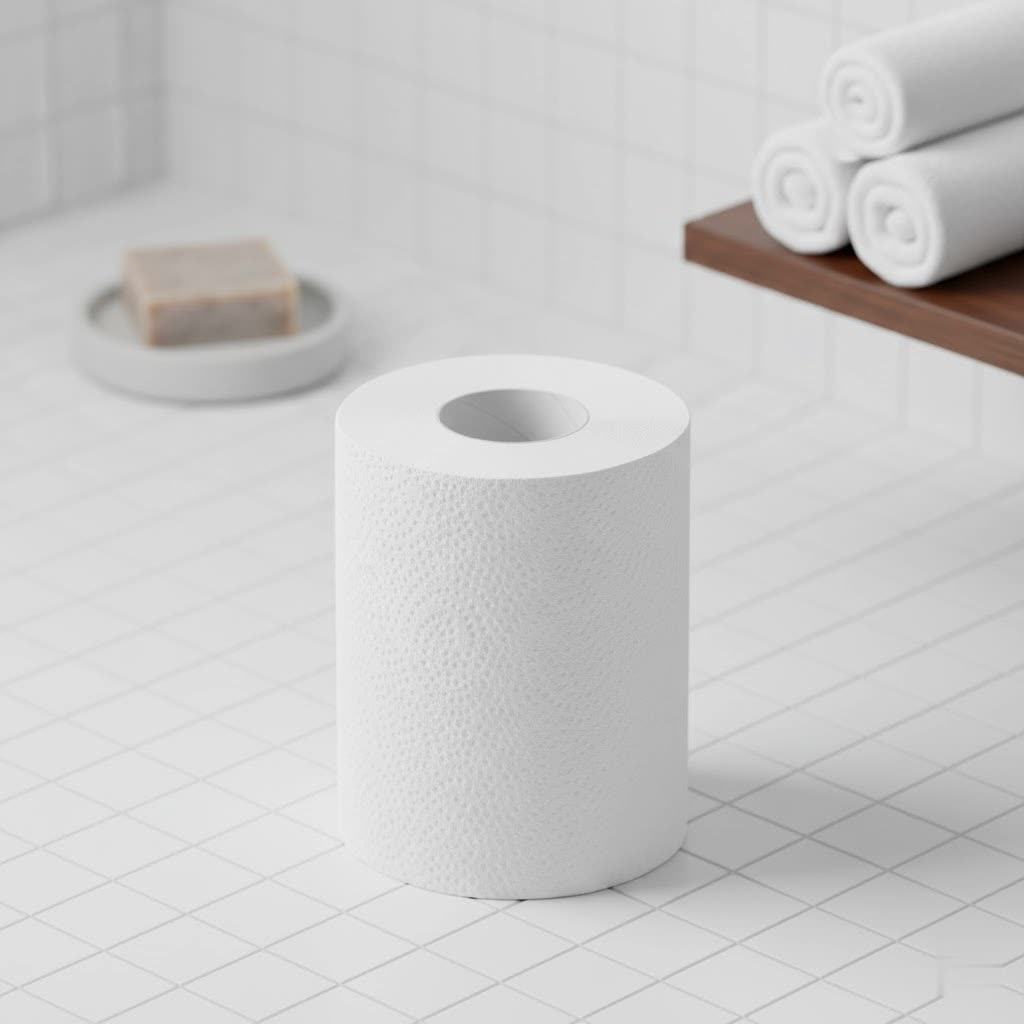
Every home uses paper towels, but what happens to that sturdy cardboard tube once the last sheet is gone? Often, it’s an afterthought, quickly discarded without a second thought. As an industry technician with over a decade of experience in paper products, I’ve seen countless innovations, but some of the most profound impacts come from rethinking how we handle everyday items. Paper towel tubes, far from being mere waste, hold a surprising amount of potential for creative reuse, efficient organization, and responsible environmental stewardship. Let’s delve into the world of these humble cardboard cylinders and discover how they can contribute to a more sustainable and organized life.
The Unseen Value: Why Paper Towel Tubes Matter in Our Daily Lives
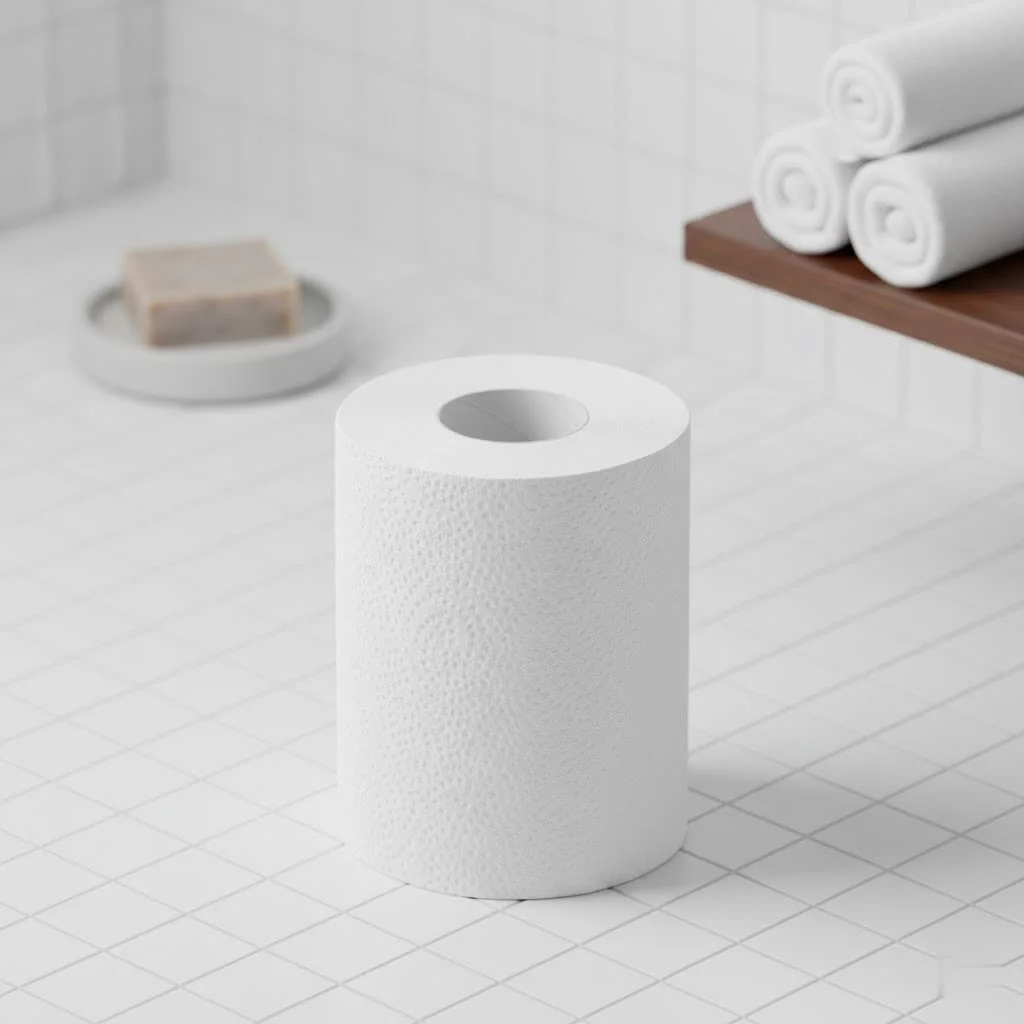
Paper towel tubes are an integral part of our domestic routine, serving as the core around which absorbent paper is wound. While their primary function is to support the roll, their underlying material—cardboard—grants them an inherent value often overlooked. These tubes represent more than just packaging; they embody an opportunity for conscious consumption and waste reduction. By recognizing their potential, we can transform them from disposable items into versatile resources, aligning with modern sustainability efforts. Understanding that these tubes are typically crafted from wood pulp, recycled paper, or other fiber-based materials, and secured with adhesives, highlights their natural origins and biodegradability. This composition means they can either return to the earth or be given a new lease on life, offering benefits far beyond their initial role.
Beyond Discard: Exploring the Many Applications of Paper Towel Tubes
Instead of seeing them as trash, consider paper towel tubes as blank canvases or ready-made structural components for various projects. Their cylindrical shape and robust nature make them surprisingly adaptable for both practical and imaginative uses.
Creative Crafts and DIY Projects
Paper towel tubes are a favorite among crafters, offering an accessible and free material for artistic expression. From simple decorations to intricate models, the possibilities are vast. Children can transform them into whimsical creatures, telescopes, or even elaborate castle towers. Adults often use them for more refined projects like creating unique wall art by flattening and cutting them into shapes, or even crafting textured rolling pins by adding patterns with hot glue. Their malleability and ease of cutting make them ideal for quick and engaging projects that spark creativity for all ages.
Home Organization and Practical Solutions
The strength and shape of paper towel tubes lend themselves perfectly to numerous organizational hacks around the home. They can be cut lengthwise to create simple yet effective cable organizers, preventing tangled cords in drawers or behind desks. Halved tubes can serve as biodegradable seed starters for your garden, allowing seedlings to be planted directly into the soil as the tube naturally decomposes. Additionally, they can be used to hold rolls of wrapping paper neatly, prevent posters or documents from creasing, or even serve as dividers in drawers for small items like pens or binder clips.
Sustainable Disposal: Recycling and Composting
|
Our Picks for the Best Paper Towel in 2026
As an Amazon Associate I earn from qualifying purchases.
|
||
| Num | Product | Action |
|---|---|---|
| 1 | Swedish Dishcloths for Kitchen 6 Pack, Reusable Paper Towels Super Absorbent, Biodegradable Quick Drying Washable Dish Cloths Dishwasher Safe, Perfect as Hostess or Housewarming Gifts (Fruit) |

|
| 2 | Amazon Basics 2-Ply Flex-Sheets Paper Towels, 6 Basics Rolls = 20 Regular Rolls, Everyday Value with 150 Sheets per Roll, Packaging May Vary |
|
| 3 | Amazon Basics FSC-Certified 2-Ply Flex-Sheets Paper Towels, 150 Sheets per Roll, 2 Basics Rolls = 6 Regular Rolls |
|
| 4 | Tork Multifold Hand Towel, Natural, 100% recycled, FSC certified, Compatible with H2 Dispensers, 16 packs x 250 sheets (MK520A) |
|
| 5 | Bounty Select-A-Size Paper Towels, White, 2 Triple Rolls = 6 Regular Rolls |
|
| 6 | Amazon Basics FSC-Certified 2-Ply Flex-Sheets Paper Towels, 150 Sheets per Roll, 12 Basics Rolls = 32 Regular Rolls |
|
| 7 | Scott Paper Towels, Choose-A-Sheet, 6 Double Rolls = 12 Regular Rolls (108 Sheets Per Roll) |
|
| 8 | Bounty Quick-Size Paper Towels, White, 8 Family Triple Rolls = 27 Regular Rolls |
|
| 9 | Microfiber Cleaning Cloths Roll 50-Pack Reusable Paper Towels for Car Wash Supplies Ultra Absorbent Kitchen Dish Rags House Window Cleaning Cloths Lint Free Tear away (Emerald-Green checkered pattern) |
|
| 10 | Scott Paper Towels, Choose-A-Sheet, 30 Double Rolls = 60 Regular Rolls (108 Sheets Per Roll) |
|
When repurposing isn’t an option, proper disposal becomes crucial. Paper towel tubes are generally made from cardboard and are widely accepted in most curbside recycling programs. It’s essential to ensure they are clean and dry, free from any food residue, grease, or plastic components, to avoid contaminating the recycling stream. Furthermore, these cardboard tubes are also compostable. When added to a compost pile, they break down, returning valuable organic matter to the soil. As with recycling, ensure they are free from any harsh chemicals or non-compostable materials.
Comparing Disposal and Reuse Options for Paper Towel Tubes
Making informed choices about paper towel tubes involves understanding the implications of each option. Here’s a comparison to guide your decision-making:
| Option | Pros | Cons | Environmental Impact |
|---|---|---|---|
| Recycling | Reduces landfill waste; conserves virgin resources like wood pulp; supports circular economy | Requires clean, dry tubes; acceptance varies by local facility; may involve energy for processing | Positive: reduces resource depletion and waste |
| Composting | Returns organic matter to soil; enriches garden beds; reduces landfill volume | Requires clean tubes free of chemicals/grease; needs a proper compost environment (aeration, moisture) | Highly Positive: natural nutrient cycling |
| Repurposing/DIY | Extends product lifecycle indefinitely; fosters creativity; provides practical, often free, solutions | Requires time, effort, and imagination; not all tubes suitable for every project; eventual disposal still needed | Highly Positive: maximal resource utilization |
| Landfill | Easiest option (minimal effort) | Contributes to growing waste mountains; depletes landfill space; releases greenhouse gases as materials decompose anaerobically | Negative: contributes to pollution and resource waste |
Maximizing Value: Factors to Consider When Handling Your Paper Towel Tubes
To truly leverage the potential of paper towel tubes, it’s helpful to consider a few factors, not when buying the tubes themselves, but when deciding how to handle them after use.
Material Integrity for Reuse
Not all cardboard tubes are created equal. Some may be thinner or more easily damaged than others. For crafting or organizational projects that require durability, assess the tube’s strength. Tubes that have become damp or overly bent may not hold up well for certain uses. Look for tubes that are firm and intact for the best repurposing results.
Cleanliness for Sustainable Disposal
Whether you plan to recycle or compost, cleanliness is paramount. Tubes that are heavily soiled with food waste, grease, paint, or chemical residues should generally be discarded in the regular trash, as they can contaminate recycling batches or introduce harmful substances into compost. A quick check ensures your efforts contribute positively to waste management.
Size and Shape for Project Suitability
Paper towel tubes are typically longer and wider than toilet paper tubes, offering different possibilities. Their length is excellent for organizing taller items, making telescopes, or creating larger craft structures. Consider the dimensions of your collected tubes when brainstorming project ideas or determining their suitability for recycling or composting processes, where some facilities might have size restrictions.
Intentional Collection and Storage
Develop a habit of collecting tubes as you empty them. Keep a dedicated bin or bag for clean, dry tubes. Flattening them can save space if you plan to accumulate several for a larger project or a trip to the recycling center. This simple act makes future repurposing or disposal much more efficient.
Top Creative Ideas for Repurposing Paper Towel Tubes
The humble paper towel tube is a surprisingly versatile material for a myriad of creative projects and practical home solutions. Here are some of the most popular and effective ways to give these cardboard cores a second life:
- Kid-Friendly Crafts: Transform tubes into animals, binoculars, rocket ships, or even elaborate castles. They’re excellent for stamping, painting, and cutting into various shapes to stimulate imagination.
- Home Organization Helpers: Use them to organize unruly cords and cables by cutting a slit along the length, or create dividers in drawers for stationery and small gadgets. They also make perfect holders to prevent wrapping paper from unrolling.
- Eco-Friendly Seed Starters: Cut tubes into shorter sections, fill them with soil, and use them to sprout seeds. Once seedlings are ready, the entire biodegradable tube can be planted directly into the garden.
- DIY Fire Starters: A classic and effective use is to stuff tubes with dryer lint or shredded paper. They ignite easily and help get a fire going in a fireplace or campfire.
- Pet Entertainment: Many cats love batting around or pouncing on empty tubes. For small animals like rabbits or guinea pigs, they can be a fun chew toy or tunnel, but always supervise to ensure they don’t ingest too much cardboard.
Smart Strategies for Utilizing and Storing Your Paper Towel Tubes Effectively
Making the most of your paper towel tubes goes beyond just knowing their potential uses; it involves a mindful approach to their collection, preparation, and eventual lifecycle.
Conscious Collection and Preservation
Start by establishing a system for collecting your empty tubes. A designated basket or container in your pantry or craft area can help. Ensure the tubes are clean and dry when you collect them to prevent mold or odors, which can compromise their usability for crafts or make them unsuitable for recycling and composting.
Preparation for Future Use
Depending on your intended purpose, a little preparation can go a long way. For storage or recycling, flattening the tubes can save significant space. If you’re planning a craft project, consider pre-cutting them into various lengths or shapes, which can make a spontaneous crafting session much easier. For seed starters, cutting them in half ensures they are the right size for seedlings.
Prioritizing Safety in Repurposing
When using paper towel tubes for children’s crafts or pet toys, always supervise their activity. While cardboard is generally safe, small pieces could be choking hazards for very young children, and pets might ingest too much cardboard. Ensure any glues or paints used in crafts are non-toxic.
Informed Environmental Choices
Before discarding, always check your local recycling and composting guidelines. Programs can vary in what they accept. Some may have specific rules regarding cardboard dimensions or the presence of any adhesives or labels. By understanding and adhering to these local rules, you ensure your paper towel tubes are disposed of in the most environmentally responsible way possible.
Conclusion: Smart Choices for a Sustainable Lifestyle
Paper towel tubes, often dismissed as mere waste, are in fact a testament to the power of thoughtful resource management. From fostering creativity in children’s crafts to providing ingenious solutions for home organization and offering sustainable disposal options through recycling or composting, these cardboard cylinders hold surprising value. By embracing their potential for reuse and understanding the environmental pathways available, we can transform a common household item into a versatile tool for a more organized, creative, and eco-conscious lifestyle. Every small decision to repurpose or properly dispose of these tubes contributes to a larger collective effort towards reducing waste and promoting sustainability. What creative new life will you give your next paper towel tube?
Get our weekly buyer guide
Practical specs, not advice. Unsubscribe anytime.
